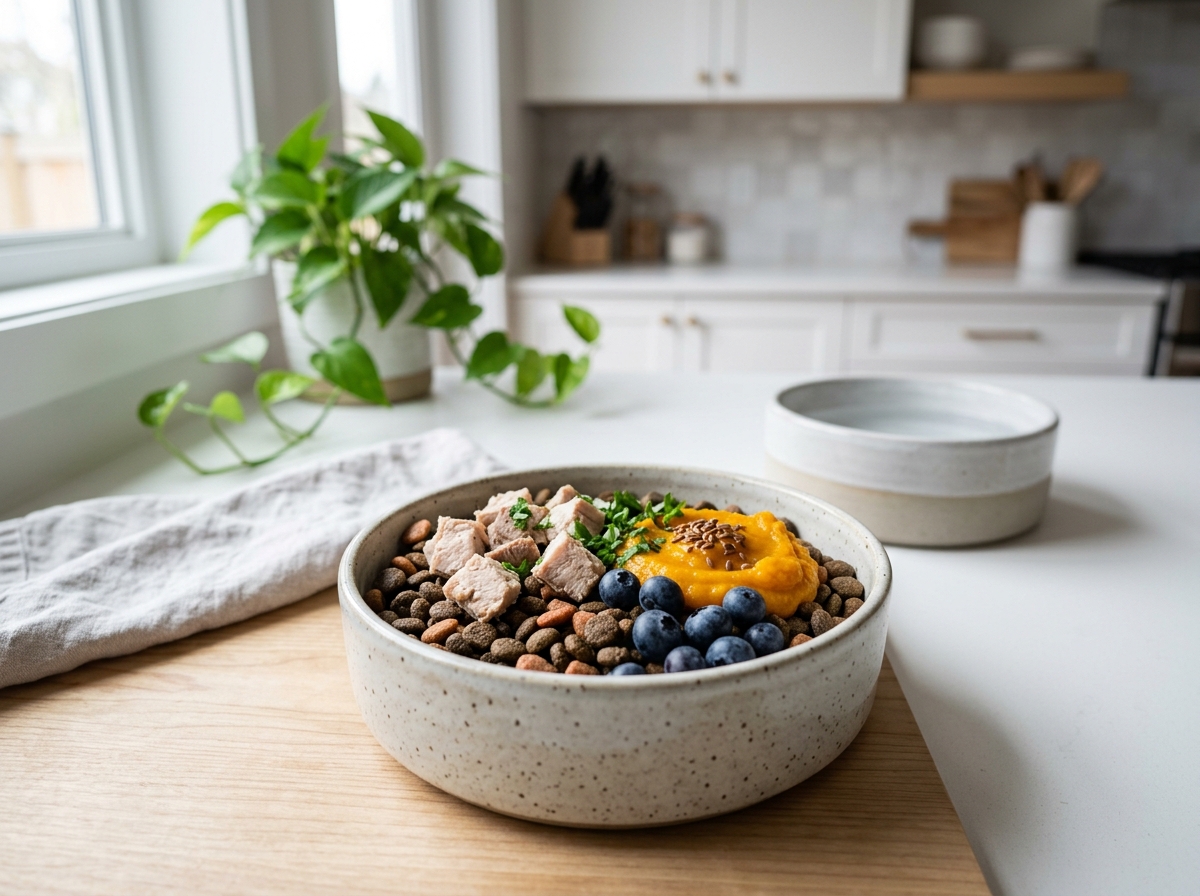
Food-related poisonings often happen after well-meaning family members share common pantry foods. Learning which ingredients are dangerous, keeping the packaging, and contacting a veterinarian or animal poison-control service promptly can help protect your pet.
Toxicity is a function of dosage and biological clearance pathways. Never wait for clinical symptoms (such as vomiting, tremors, or collapse) to manifest before calling a veterinarian; once clinical symptoms appear, the toxin has already crossed into systemic circulation.
1. Why Pet Metabolism Differs: Hepatic Glucuronidation & Enzyme Pathways
Why can an adult human consume dark chocolate, onions, and garlic without injury while a small dog or cat risks death? The answer lies inside the liver's cytochrome P450 enzyme family.
Humans are opportunistic omnivores whose evolutionary ancestors consumed a staggering variety of wild flora, roots, and botanicals containing complex plant alkaloids. In response, human livers developed robust metabolic detoxification pathways—specifically glucuronidation and rapid xanthine oxidase pathways.
In contrast, cats are strict obligate carnivores whose ancestral diet was almost purely animal tissue; their livers naturally lack several crucial glucuronosyltransferase enzyme pathways (especially UGT1A6). Dogs possess some omnivorous capacity, but their elimination half-life for methylxanthines (the chemical class containing chocolate and caffeine) is roughly 17.5 hours, compared to just 2 to 3 hours in humans. When a dog ingests chocolate, the chemical remains actively circulating in their bloodstream at peak concentrations for nearly an entire day, relentlessly overstimulating cardiac beta-receptors.
2. The Big 5 Immediate Lethal Threats
1. Xylitol (Birch Bark Extract / Wood Sugar / E967)
The Danger: The absolute #1 most urgent toxin in veterinary medicine. In humans, xylitol does not stimulate pancreatic insulin. In dogs, however, xylitol is absorbed into the bloodstream within 15 minutes, triggering an explosive, catastrophic release of insulin up to 6 times greater than normal. This causes profound, life-threatening hypoglycemia (blood sugar dropping below 30 mg/dL) within 30 minutes, leading to ataxia, seizures, and acute hepatic liver necrosis.
2. Grapes, Raisins, Sultanas & Currants
The Danger: Tartaric acid in grapes causes acute proximal tubular necrosis in canine kidneys. There is no known safe dosage; individual idiosyncratic sensitivity varies wildly. A single raisin has caused fatal acute renal failure in a 65-pound Golden Retriever, while another dog ate a handful without apparent symptoms. Signs begin with vomiting within 12 hours, progressing to anuria (total cessation of urine output) within 36 to 48 hours.
3. Baking Cocoa, Dark Chocolate & Espresso Beans
The Danger: Theobromine and caffeine block cellular adenosine receptors and inhibit phosphodiesterase, dramatically increasing intracellular calcium in heart muscle cells. This triggers severe tachycardia, dangerous ventricular premature contractions (arrhythmias), muscle rigidity, and fatal seizures. Baking cocoa is 10 times more potent than milk chocolate!
4. The Allium Family (Onions, Garlic, Leeks, Chives & Shallots)
The Danger: Allium plants contain n-propyl disulfide and sodium thiosulfate. These organosulfur compounds induce oxidative denaturation of hemoglobin inside red blood cells, forming clumped precipitates called Heinz bodies. The spleen identifies these damaged red blood cells and destroys them in mass waves, causing acute hemolytic anemia. Garlic is roughly 5 times more concentrated than onion!
5. Cooked Poultry, Rib & Chop Bones
The Danger: While raw bones are soft and pliable, cooking desiccates the organic collagen matrix, making bones brittle. When chewed, cooked bones splinter into razor-sharp shards that puncture the esophagus, lacerate stomach linings, or become wedged in the intestinal lumen, causing fatal septic peritonitis.
3. Toxicity Risk and Dose: Why Amount and Body Weight Matter
Toxicity risk depends on the substance, concentration, amount eaten, body weight, and individual sensitivity. The figures below are general educational reference points, not a substitute for professional poison-control or veterinary guidance:
Do not calculate a safe exposure from a generic table. Risk depends on the species, ingredient, quantity and individual animal. Contact a veterinarian or animal poison service promptly after suspected exposure.
5. Emergency Toxicology Protocol: What to Do in the First 60 Minutes
If your pet consumes a suspected toxin, follow this immediate 4-step emergency action plan:
- Confiscate the Remaining Item & Preserve Packaging: Take the candy wrapper, baking chocolate box, or vitamin bottle. The exact ingredient list and net weight are critical for calculating toxic milligrams.
- Estimate Ingestion Time and Animal Weight: Note exactly when the pet was left unattended and your pet's current body weight.
- Call the Poison Helpline or Emergency Vet Immediately: Do not search Reddit or social media forums. Call the ASPCA Animal Poison Control Center ((888) 426-4435) or drive directly to your nearest 24/7 veterinary emergency hospital.
- Do NOT Induce Vomiting Without Explicit Veterinary Instruction: Administering hydrogen peroxide or salt can cause fatal chemical aspiration, salt poisoning, or esophageal burning if the toxin was corrosive or foaming.
6. Ten Common Human Foods That May Be Safer in Small Amounts
Some plain human foods can be offered to many dogs or cats in small amounts, depending on the animal and the food. Introduce new foods cautiously and ask your veterinarian about special dietary needs:
- 100% Pure Canned Pumpkin: Rich in soluble fiber; soothes both constipation and acute diarrhea.
- Steamed Sweet Potatoes (Skin Removed): Excellent source of beta-carotene, vitamin B6, and potassium.
- Fresh Blueberries: Potent cellular antioxidants that support canine brain health and cognitive vitality.
- Raw Baby Carrots: Crunchy, zero-fat dental treat that gently massages gums and satisfies chewing impulses.
- Cooked Whole Eggs: The gold standard of bioavailable protein, rich in choline and amino acids.
- Plain Cooked Skinless Chicken Breast: Hypoallergenic, lean protein reward ideal for sensitive stomachs.
- Steamed Green Beans: High-fiber, low-calorie filler ideal for weight management in overweight dogs.
- Fresh Apple Slices (Core & Seeds Removed): High in dietary fiber and vitamin C. (Always discard seeds, which contain cyanogenic glycosides).
- Plain Canned Sardines in Water (No Salt): Omega-3 EPA/DHA powerhouse that reduces joint inflammation and enhances coat luster.
- Unsalted Simmered Bone Broth: A savory source of collagen, glucosamine, and gut-healing glycine.
7. Final Safety Takeaways
Knowledge is your pet’s greatest armor. Keep your pantry securely latched, educate children and houseguests on forbidden human foods, and always keep emergency poison control numbers posted on your refrigerator. When in doubt, stick to clean, whole-food superfoods that celebrate your companion’s health!
What to record for a poison call
- Original packaging and ingredient list.
- Approximate amount and time of exposure; say when these are unknown.
- Species, body weight if known, symptoms, existing illnesses and medication.
- Your location and transport plan.
Do not induce vomiting or give a home remedy without specific professional instructions. Keep the animal away from the remaining substance.