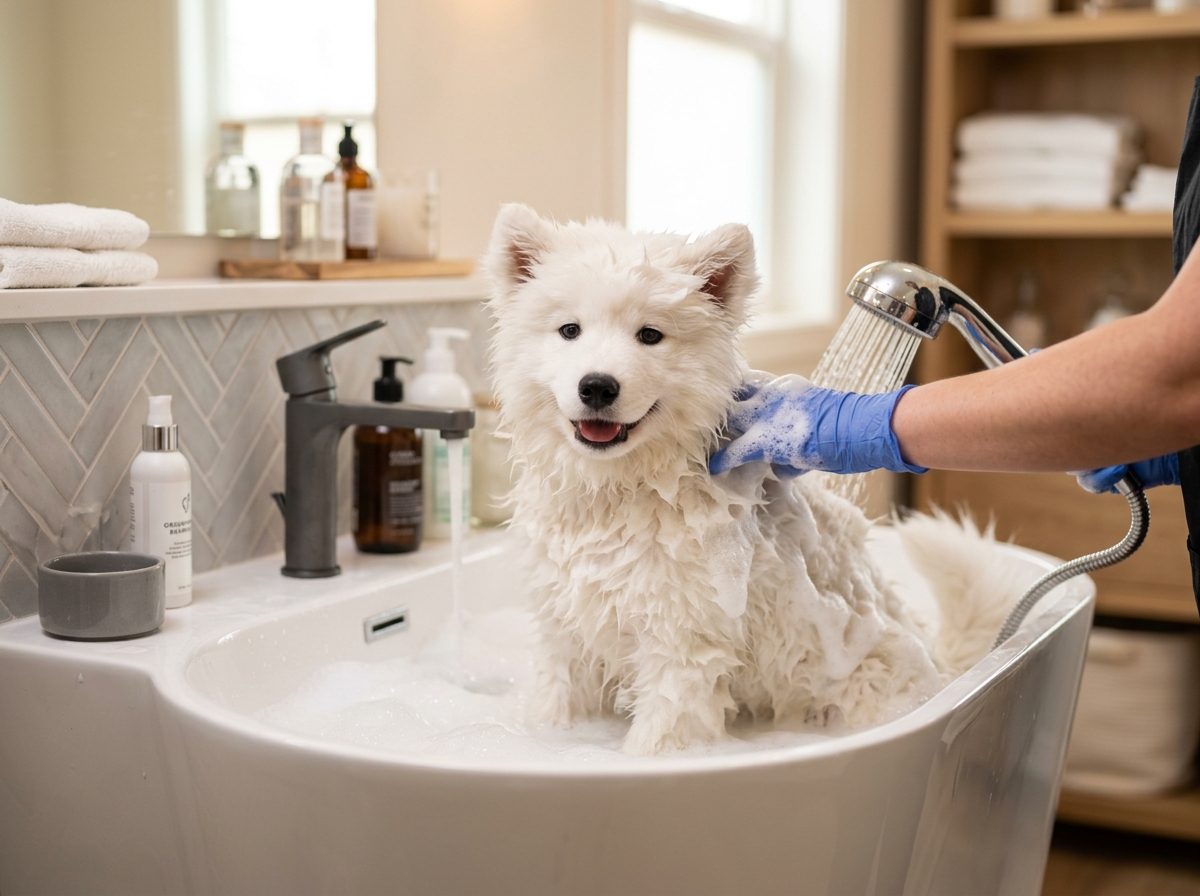
Build a daily dog or cat care routine around food, water, toileting, comfort and observation, with a handover checklist that everyone can follow.
A routine you can actually maintain
A care checklist is useful when it prevents missed tasks and makes changes easier to notice. It cannot promise to prevent a fixed percentage of illness. Start with your pet’s existing feeding and medication instructions, then fit the checks around the times people are reliably at home. A puppy, older cat and healthy adult dog will need different schedules.
Morning checks before a busy day
- Refresh drinking water and wash the bowl according to its care instructions. Check that every pet can reach a water source.
- Measure the planned food portion. In a shared household, mark the meal as given so someone else does not repeat it.
- Provide your dog’s usual toilet opportunity or scoop the cat’s litter box. Notice changes without treating the box as a diagnostic test.
- Look at appetite, movement and energy compared with yesterday. Record a change before everyone leaves.
- Give prescribed medicines exactly as instructed. Do not add a supplement because an online checklist recommends it.
Evening review and a simple handover
Spend a quiet moment checking whether your pet ate, drank, toileted and rested in their usual way. Offer an appropriate walk, play or enrichment activity. Inspect bedding for dampness or damage, and remove loose toy pieces. Grooming and tooth brushing should follow a comfortable routine suited to the individual animal.
| Task | Assigned person | Record |
|---|---|---|
| Meals | One named person per meal | Time and planned portion |
| Medicine | Person following the prescription | Medicine, dose from prescription and time |
| Toileting | Walker or litter-box carer | Usual pattern or change |
| Water and comfort | Last person checking the room | Fresh water, safe temperature and bedding |
What belongs on a weekly checklist
Check food supplies, recall labels, collar fit, identification details and the condition of leads and carriers. Review parasite-prevention and appointment reminders using the veterinary plan. Washing bedding or trimming nails is not necessarily a daily task. Adjust those jobs to the animal, product instructions and advice from your veterinary team.
When the routine must stop being routine
Breathing difficulty, collapse, suspected poisoning or serious injury needs urgent veterinary help. A new persistent change in appetite, thirst, toilet habits or mobility deserves a call for advice. Do not wait for the weekly checklist to investigate it.
Useful note: “Tuesday evening, normally enthusiastic at dinner, left most of the meal, no new food, one episode of vomiting.” This is more helpful than writing “seems off.” Keep the note factual and bring it to the appointment.
Adapting the plan when you are away
Leave written instructions for the sitter and identify a backup person. Include your veterinary contact, emergency destination, access instructions and where the carrier is kept. Ask the sitter to confirm tasks individually rather than replying only “all done.” The aim is dependable care and a clear record, not a perfect-looking checklist.
Related guides
- Pet Sitter First Visit Checklist: The Details to Explain Before You Leave
- How Often Should You Wash Pet Food and Water Bowls?
- First Week With a New Pet: Complete Home Setup Checklist
Sources and further reading
Written and edited by Emon Ahmed. This is general educational information, not a diagnosis, prescription or veterinary review. For an individual pet’s medical concerns, contact a qualified veterinarian.