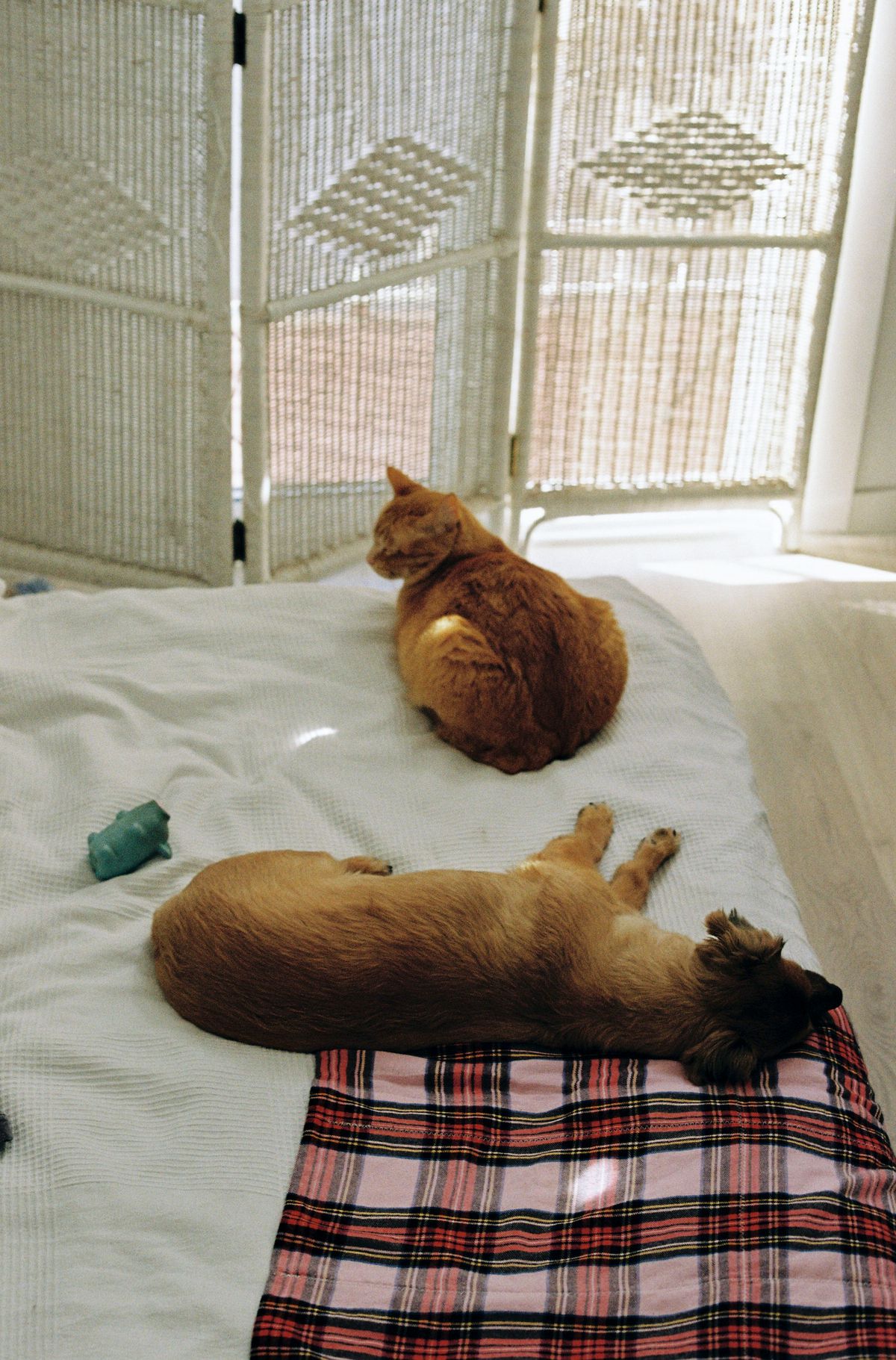
A power outage can interrupt a pet’s routine before it becomes an obvious emergency. Prioritize safe temperature, drinking water, secure containment, and a plan for medical needs. Prepare while the power is working so you are not searching for a carrier or veterinarian’s number in the dark. Dogs and cats need to be included in the household plan from the start.
Set aside familiar essentials
Keep drinking water, the usual food, clean bowls, leads, carriers, waste supplies, and a battery light together. Include the pet’s identification and written veterinary contact details. A phone that runs out of charge should not be the only place important information exists.
Store supplies where they remain accessible without powered locks or appliances. Choose food your pet already tolerates rather than introducing a new diet during a stressful interruption. Check stored supplies routinely and replace them before they become unsuitable.
Monitor temperature and relocate early when needed
Loss of cooling or heating can make a familiar room unsafe. Know in advance where you and your pets can go if the house becomes too hot or cold. Confirm that the destination accepts your animals and that transport is available.
Keep pets out of parked vehicles and direct heat, and avoid demanding exercise in hot conditions. If an animal develops collapse, marked weakness, breathing difficulty, or other distress, contact an emergency veterinarian promptly. Do not wait for the electricity to return before seeking help.
Keep generators and flames out of the living space
The CDC advises using a generator outside, at least twenty feet from doors, windows, and vents. Never operate one in a home, garage, or enclosed area. Exhaust can expose both people and animals to carbon monoxide.
Use battery lighting instead of placing open flames where a tail, paw, or unstable surface can knock them over. Keep cables, fuel, and equipment inaccessible to pets. Follow manufacturer instructions and local emergency guidance rather than improvising an electrical connection.
Protect food and prescribed treatment routines
Keep dry food clean, dry, and secure in its original packaging. For refrigerated food or medication, follow the product’s storage requirements and ask the manufacturer, pharmacist, or veterinarian what to do if the required temperature cannot be maintained.
Do not taste questionable pet food or assume a refrigerated medicine is still usable because the container feels cool. If a pet depends on powered medical equipment, arrange an individual backup plan with the veterinary team before an outage occurs. Do not improvise replacement treatment.
Prevent escape when the household routine changes
People may open windows, carry equipment, or leave doors open more frequently during an outage. Assign someone to check that cats and dogs remain safely contained. Keep carriers and leads within reach before a move becomes urgent.
Use a written check-in routine for multi-pet households: drinking water, temperature, food, toilet needs, and location of each animal. If you need to evacuate, take the pets and their supplies with you according to the local emergency plan. Reassess as conditions change rather than waiting indefinitely.
Frequently asked questions
Should I buy a generator just for pet care?
Identify the specific needs first. Safe relocation or another backup arrangement may be more appropriate; any generator must be operated safely.
Can I change a prescribed medicine schedule during an outage?
Ask the prescribing veterinarian. Do not change treatment or storage assumptions on your own.
Related Petzora guides
Sources and further reading
Written by Emon Ahmed for general education, not veterinary diagnosis or treatment.