Halloween Pet Safety: 12 Tips for Dogs and Cats (2026)
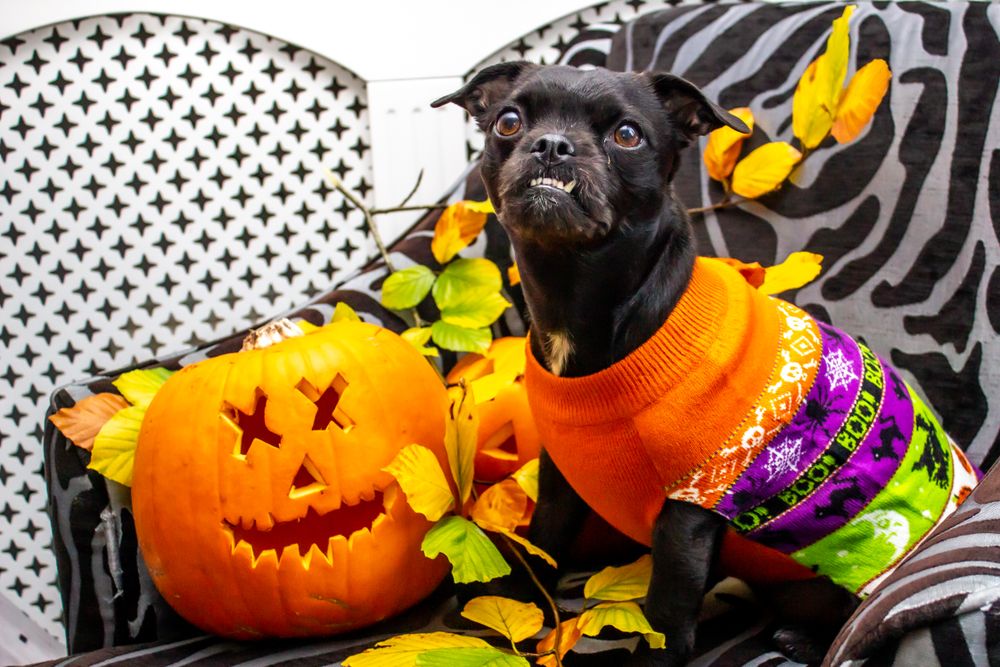
Keep dogs and cats safer this Halloween with practical advice on candy, costumes, doorbells, decorations, escape prevention, and emergency warning signs.
By Emon Ahmed ·
Halloween is fun for people, but it can create a surprisingly stressful environment for pets. Candy bowls appear at nose level, the doorbell rings repeatedly, unfamiliar people arrive in masks and costumes, and decorations introduce new smells, cords, candles, and objects that curious dogs or cats may investigate. That is why Halloween pet safety deserves a little planning before October 31.
The goal is not to keep your pet away from every part of the celebration. It is to remove the hazards that can cause poisoning, choking, burns, panic, or escape while giving your dog or cat a calm place to retreat. The checklist below focuses on the risks most pet parents can control at home.
Quick answer: how do you keep pets safe on Halloween?
Keep chocolate and sugar-free candy out of reach, use costumes only if your pet is comfortable wearing them, create a quiet room away from the front door, secure candles and electrical decorations, keep identification up to date, and supervise outdoor activity. If your pet eats chocolate, xylitol-containing candy, raisins, or another potentially toxic item, contact a veterinarian or pet poison service promptly rather than waiting for symptoms.
1. Put all Halloween candy completely out of reach
Candy is one of the biggest Halloween risks for dogs and cats because it is often left in open bowls or bags. Chocolate can be toxic to pets, and darker chocolate generally contains more methylxanthines than milk chocolate. Sugar-free products may contain xylitol, which can cause a dangerous drop in blood sugar in dogs and may also damage the liver. Raisins and some other common snack ingredients can also be harmful.
Do not rely on a high coffee table or an open kitchen counter if your dog is a determined climber. Store candy in a closed cabinet or container. Remind children not to leave treat bags on the floor, bed, or couch. For a broader list of risky foods, see Petzora's toxic foods for dogs and cats guide.
2. Check labels for xylitol before giving any human treat
Xylitol is used in some sugar-free gum, candy, baked goods, peanut butter, and other products. A product that looks harmless may not be safe for a dog. Read the ingredient label before allowing any pet access to a human food item.
If you suspect xylitol ingestion, treat it as urgent. Do not try to make your pet vomit unless a veterinarian or poison-control professional specifically instructs you to do so.
3. Choose Halloween costumes for comfort, not just photos
Dog Halloween costumes and pet costumes are especially popular in October, but not every pet enjoys being dressed up. A safe costume should allow normal breathing, walking, sitting, seeing, hearing, and toileting. It should not have tight elastic, dangling strings, bells, buttons, pom-poms, or small pieces that could be chewed off.
Try the costume for a few minutes before Halloween. Watch your pet's body language. Repeated lip licking, pinned ears, freezing, hiding, pawing at the outfit, trying to bite it off, or refusing treats can all be signs that the costume is too stressful. A festive bandana or collar can be a better choice for a pet that dislikes full costumes.
4. Create a quiet room before trick-or-treaters arrive
Repeated doorbells, knocking, shouting, and unfamiliar visitors can overwhelm even a normally social dog or cat. Set up a comfortable room before the evening becomes busy. Include water, bedding, favorite toys, and a familiar-smelling blanket. For cats, add a litter box and a hiding place.
If your dog already struggles with being alone or sudden noises, review our dog separation anxiety guide for calm-routine ideas that may also help during noisy holidays.
5. Prevent door-dashing and accidental escapes
Halloween means the front door may open dozens of times. A normally reliable pet can bolt when startled by a mask, loud group, or sudden noise. Use a baby gate, closed interior door, crate if your dog is already crate-comfortable, or the quiet-room setup above to create a second barrier between your pet and the entrance.
Keep collars and identification tags on dogs, and consider keeping cats fully indoors for the evening. Confirm that your contact details linked to a microchip are current. Identification is not a substitute for supervision, but it can matter if an escape still happens.
6. Keep candles, pumpkins, and electrical cords secure
Jack-o'-lanterns and string lights create a cozy Halloween atmosphere, but they can also introduce burn and chewing hazards. A wagging tail can knock over a candle, and curious cats may investigate open flames. Battery-powered candles are usually easier to manage around pets.
Secure electrical cords against walls and keep battery compartments closed. Small batteries can be dangerous if swallowed or chewed. Place decorations where pets cannot pull them down.
7. Treat glow sticks and small decorations as chew hazards
Glow sticks, plastic spiders, fake cobweb accessories, tiny skeleton pieces, and costume jewelry can look like toys. Even when an item is not highly toxic, chewing or swallowing it can cause mouth irritation, choking, or an intestinal obstruction.
After a party or trick-or-treating session, do a quick floor check before letting pets roam freely again. Small dropped objects are easy to miss in dim lighting.
8. Think carefully before taking your dog trick-or-treating
Some calm, well-socialized dogs enjoy a short walk around the neighborhood, but a crowded Halloween route is not the right environment for every dog. Costumes, flashing decorations, shouting children, other dogs, and constant stopping can make an ordinary walk much harder.
If you bring your dog, use a secure leash and well-fitted harness, carry water, avoid retractable leashes in crowds, and keep the outing short. Leave early if your dog becomes tense, starts scanning constantly, refuses treats, pulls toward home, or appears frightened.
9. Give pets space from excited children and guests
Children in costumes may move unpredictably, squeal, hug, or lean over a pet. Even friendly animals can become uncomfortable when their normal environment suddenly changes. Supervise every interaction and let your pet move away whenever they choose.
Do not force a dog or cat to pose for photos with strangers. A good Halloween memory is one where the pet still feels safe.
10. Keep cats indoors during the busiest hours
Cats can be especially sensitive to unfamiliar voices, costumes, and repeated door activity. Keeping your cat indoors reduces the chance of escape, traffic exposure, or frightening encounters. Close accessible windows and check screens before the evening starts.
Provide vertical space, a covered bed, or a quiet hiding area. If your cat prefers to disappear under a bed until the noise is over, that is usually better than forcing social interaction.
11. Prepare your pet's ID and emergency information in advance
Before Halloween night, confirm that your pet's tag includes a working phone number. Save your regular veterinarian, nearest emergency clinic, and a pet poison-control resource in your phone. Preparation matters because it is harder to search for contact information while you are worried.
12. Know when a Halloween incident needs urgent veterinary help
Seek prompt veterinary advice after known or suspected ingestion of chocolate, xylitol, raisins, medication, batteries, or a swallowed object. Other warning signs that warrant urgent attention include repeated vomiting, tremors, seizures, collapse, severe weakness, trouble breathing, marked agitation, abdominal pain, or an inability to keep water down.
If your dog is vomiting for an unknown reason, our dog vomiting guide explains common red flags, but suspected poisoning should be handled as a separate urgent situation.
What should you do if your dog eats Halloween candy?
- Remove the remaining candy so no more can be eaten.
- Save the wrapper or ingredient list. The type of chocolate, sweetener, and approximate amount matter.
- Estimate what was eaten and when. Do not delay care while trying to be perfectly precise.
- Call your veterinarian or a pet poison-control service. They can help determine the risk based on your dog's weight, the product, and the amount.
- Do not induce vomiting without professional instructions. It is not appropriate in every situation.
Simple pet costume safety checklist
- The costume does not restrict breathing, vision, hearing, walking, or toileting.
- There are no tight neck straps or elastic bands.
- There are no small parts your pet can chew off.
- Your pet can comfortably sit, lie down, and turn around.
- You supervise while the costume is on.
- You remove it immediately if your pet appears stressed or overheated.
Frequently asked questions about Halloween pet safety
Can dogs eat Halloween candy?
No human Halloween candy should be treated as a dog snack. Chocolate, xylitol, raisins, wrappers, and high-fat foods can all create problems. Offer normal dog treats instead.
Are Halloween costumes safe for dogs?
They can be safe when they fit properly, contain no chewable small parts, and the dog is comfortable wearing them. If your dog freezes, hides, pants excessively, paws at the costume, or tries to remove it, skip the outfit.
Should cats wear Halloween costumes?
Many cats find clothing stressful. If your cat resists handling or does not tolerate clothing, a costume is not necessary. A safe seasonal photo near a pumpkin or blanket can be enough.
How can I calm my dog when trick-or-treaters keep ringing the bell?
Use a quiet room away from the entrance, reduce visual access to the front door, provide a familiar bed or chew, and use background sound to soften sudden noises. Set this up before visitors start arriving.
Is a carved pumpkin dangerous to pets?
The pumpkin itself is usually less concerning than candles, moldy leftovers, sharp decorations, or a pet knocking the display over. Use battery-powered lights and keep decorative pumpkins where pets cannot chew or topple them.
Sources and further reading
- American Animal Hospital Association: Halloween safety for pets
- ASPCA: Halloween pet hazards
- MedVet: Halloween safety for dogs and cats
This article is general educational information and is not a substitute for veterinary diagnosis or treatment. If you think your pet has eaten something toxic or is showing severe symptoms, contact a veterinarian promptly.