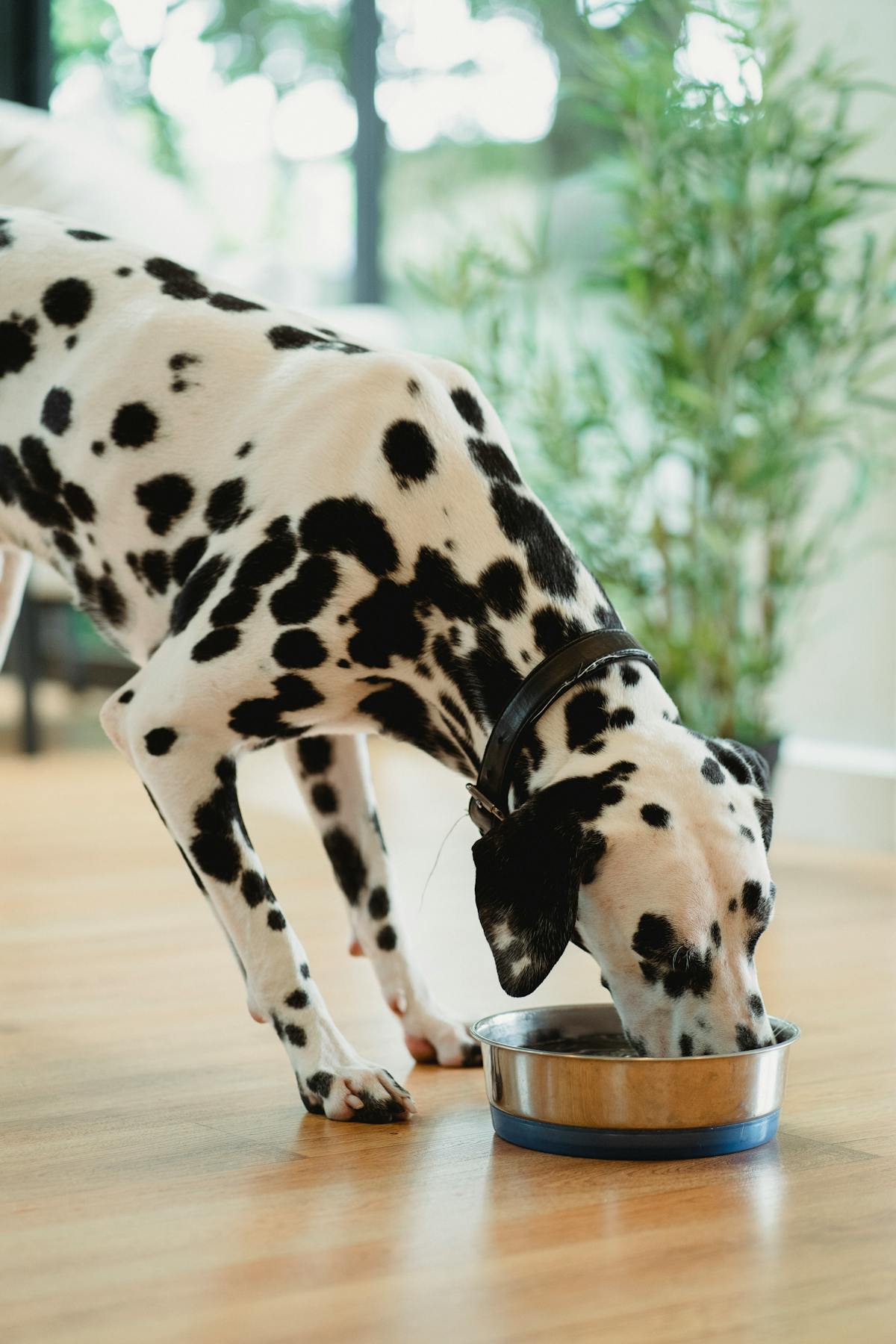
The material matters, but it is only part of choosing a feeding bowl. Compare a bowl’s construction, condition, stability, and cleaning instructions alongside steel or ceramic. This is a feature guide, not a laboratory test or brand ranking. We have not personally tested the pictured bowl, and no material makes regular washing unnecessary.
Start with food-contact suitability
Choose products intended for pet feeding from a manufacturer that clearly explains their materials and care instructions. “Metal” is not a complete description, and a decorative ceramic dish is not automatically suitable for repeated food contact.
For ceramic, look for clear information about the glaze and food-safe use. For steel, check the stated material and finish. If essential construction information is missing, ask the seller rather than guessing from appearance or price.
Compare weight and everyday handling
Stainless steel is often convenient when a light bowl needs to be lifted and washed frequently. A ceramic bowl may provide useful weight for a dog that nudges a dish, although the specific design and base still determine how easily it slides or tips.
Test the shape on your actual feeding surface. A nonslip base may help, but it needs cleaning too. A heavier bowl is not automatically better if the caregiver cannot lift it comfortably or the dog struggles to reach the food.
Check for chips, cracks and rough edges
Inspect ceramic bowls regularly for chipped rims and cracks. Damage can create rough surfaces and make thorough cleaning harder. Replace a damaged bowl instead of covering the defect with food or assuming a tiny crack cannot matter.
Inspect steel for rough seams, corrosion, or damaged surfaces as well. Do not use the material label as a lifetime guarantee. A well-made intact bowl and a worn damaged one should not be treated as equivalent choices.
Follow cleaning instructions and wash after meals
The FDA recommends washing and drying food bowls after use and water bowls daily. Check whether the whole bowl is dishwasher-safe, including removable bases. Hand washing still needs attention to the rim, underside, and any grooves.
Keep a spare bowl so cleaning does not depend on leaving the only dish in service. Neither a shiny finish nor a heavy ceramic glaze tells you when a bowl was last washed. Build the routine before debating small differences in appearance.
Choose by a practical checklist
Before buying, record the internal size, base stability, cleaning method, and replacement cost. Consider whether the dog can eat comfortably without pushing the bowl across the room. If eating is painful or swallowing seems difficult, consult a veterinarian instead of solving it through shopping alone.
A steel bowl may suit frequent travel and easy handling. An intact food-safe ceramic bowl may suit a stable home feeding station. Choose the option you can keep clean and inspect consistently rather than treating either category as a universal winner.
Frequently asked questions
Is stainless steel always the best option?
No single material addresses every dog’s needs. Quality, condition, fit, and hygiene remain essential.
Can a cracked ceramic bowl stay in use?
Replace a damaged bowl rather than risking rough edges or surfaces that are difficult to clean.
Related Petzora guides
Sources and further reading
Written by Emon Ahmed for general education, not veterinary diagnosis or treatment. This product guide compares features and does not claim hands-on testing or veterinary review.