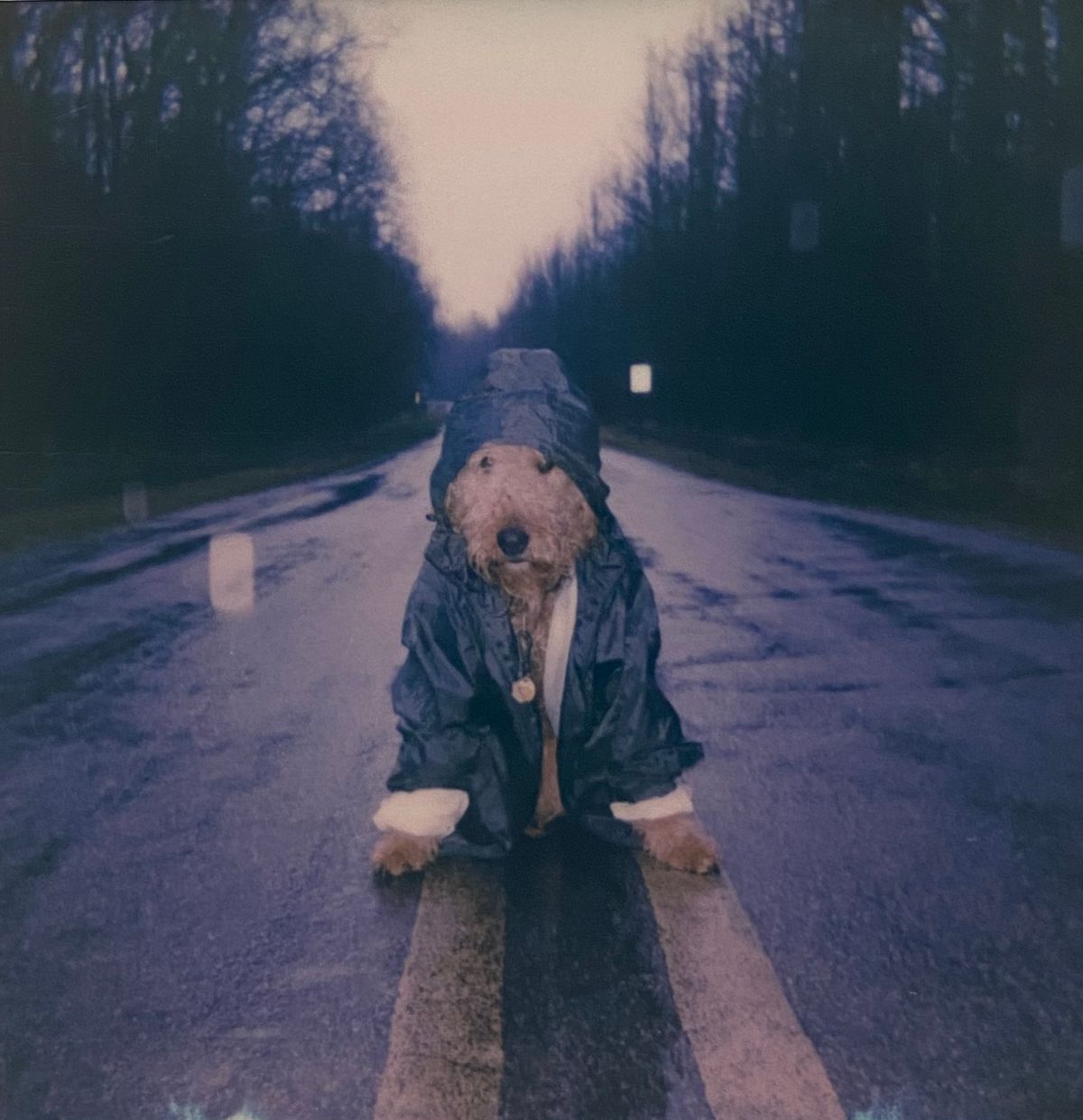
A little rain starts and your dog plants their paws at the door. Rain refusal may reflect discomfort with wet surfaces, noise, clothing, or a previous unpleasant experience. Start by making the task smaller and safer. Dragging a dog down the pavement rarely tells you what part of the outing they dislike.
Identify which part of the outing is difficult
Does your dog hesitate at the threshold, avoid puddles, or become worried when rain strikes a roof? Compare drizzle with heavy rain and a familiar quiet path with a busy street. Do not deliberately expose the dog to frightening weather to test the theory.
Check whether reluctance also occurs on dry days. A dog that suddenly refuses all walking, limps, or struggles on steps needs a health check rather than a rain-specific training plan.
Prioritize a safe toilet opportunity
Choose a short familiar route or safe sheltered toilet area where available. Give your dog time to sniff, then return indoors if conditions worsen. Maintain ordinary toilet opportunities instead of waiting indefinitely for perfect weather.
Avoid floodwater, fast-moving water, deep puddles, lightning, and unsafe traffic conditions. Do not treat an urgent storm as a chance to train confidence. Your local conditions determine whether going outside is appropriate.
Make rain gear an optional separate lesson
A properly fitting coat may help some dogs, but others dislike it. Introduce it indoors briefly, let the dog move comfortably, and check for rubbing or restricted movement. Do not put on unfamiliar gear at the same moment the dog already fears the doorway.
Avoid relying on accessories to fix a surface or sound concern. If a coat makes the dog freeze even in a dry room, simplify the introduction or leave it off. Comfort matters more than matching an appealing product photo.
Practise when conditions are mild
Reward a voluntary step toward the doorway or a brief calm moment outside in light rain. Keep sessions short and return before the dog becomes overwhelmed. Advance according to comfort rather than a fixed calendar.
Use a secure leash and appropriate equipment. Food rewards should be safe, small, and part of the daily allowance. Do not use food to lure a dog into a situation they cannot safely leave.
Build a comfortable return routine
Keep a towel ready and gently dry wet areas when your dog returns. Offer a non-slip place to stand, check for debris, and let them rest. A predictable finish can make the whole outing less awkward.
If drying itself is difficult, practise gentle towel contact at a separate calm time. Combining rain, new clothing, paw handling, and a forceful rub can create several problems instead of solving one.
Frequently asked questions
Should I pull my dog out so they get used to rain?
Avoid dragging or forcing. Use safe short opportunities and gradual voluntary practice when conditions allow.
Can indoor games replace the walk?
They can provide activity during unsafe weather, but toilet needs and normal suitable outings still need to be met.
Related Petzora guides
Sources and further reading
Written by Emon Ahmed for general education, not veterinary diagnosis or treatment.