How to Stop a Dog From Jumping on People Without Punishment
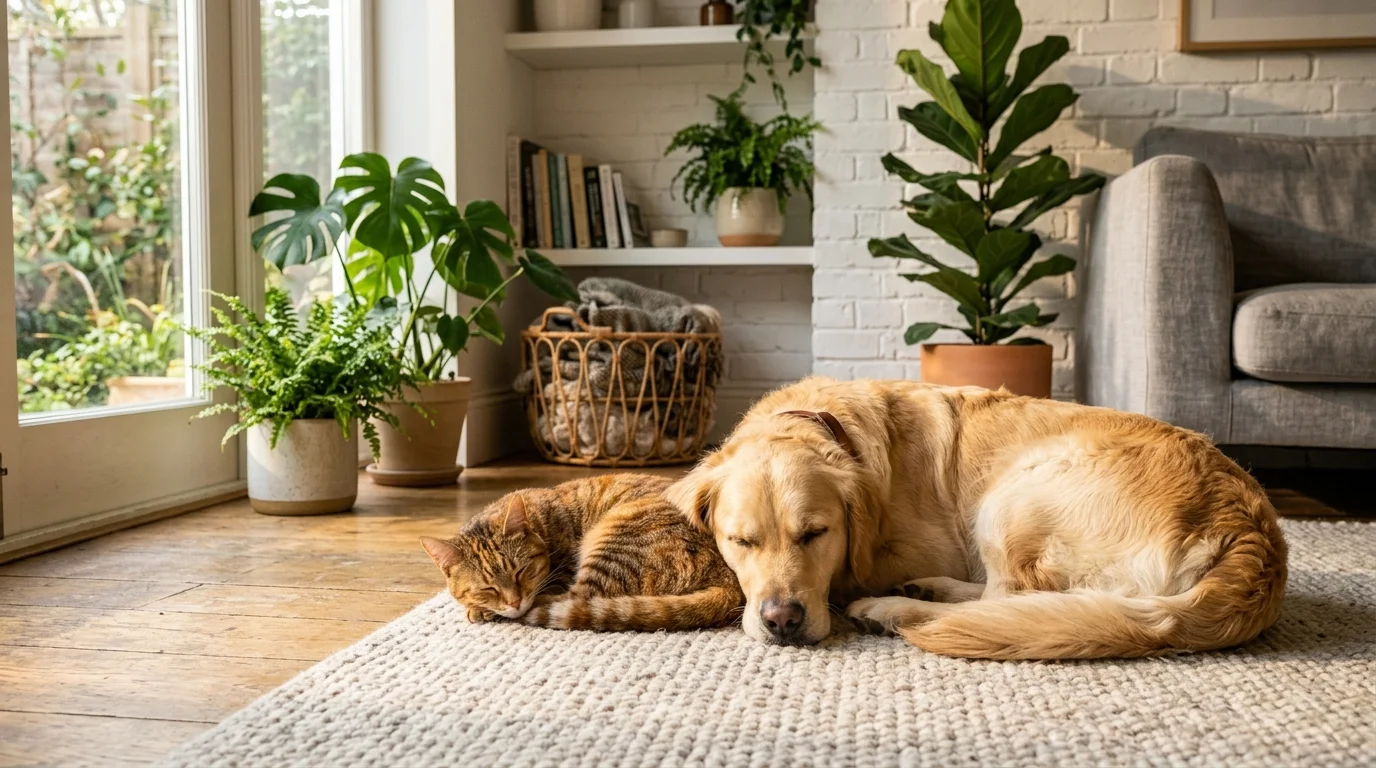
Jumping is usually driven by excitement and attention. A clear reward-based plan can teach your dog that calm greetings and four paws on the floor work better.
Dogs often jump because greetings are exciting and jumping has been rewarded in the past. Even pushing a dog down or saying no can provide the attention the dog wanted. The training goal is to make calm behavior consistently more rewarding than jumping.
Decide on the replacement behavior
Choose something simple such as four paws on the floor, a sit, or standing calmly. Everyone who greets the dog should know the rule.
Remove the reward for jumping
If the dog jumps, turn slightly away and pause attention. Avoid kneeing, shouting, or grabbing the collar. The moment paws return to the floor, mark and reward the calm behavior.
Practice with one person first
Start in a quiet room. Have one person approach while the dog is on leash or behind a gate. Reward before the dog jumps. Repeat until calm greetings become easier.
Use distance
If the dog cannot stay calm, the greeting is too difficult. Increase distance, shorten the interaction, and reward success. Gradually work closer.
Manage real visitors
Training is hard when guests arrive unexpectedly. Use a baby gate, leash, crate, or separate room while the initial excitement passes. Then practice a structured greeting.
Reward what you want throughout the day
Notice and reward your dog for standing or sitting calmly before meals, doors, play, and petting. Calm behavior becomes stronger when it works in many contexts.
What about children?
Young children can be knocked over easily. Use physical management and adult supervision rather than expecting a child to train an excited dog in the moment.
Common mistakes
Allowing jumping sometimes but not others, rewarding only after repeated jumping, and asking for long sits before the dog has enough impulse control can slow progress.
Frequently asked questions
How long does it take?
Improvement can begin quickly, but reliable greetings require repeated practice with different people and environments.
Should guests ignore my dog?
Ignoring can be useful when paired with rewarding calm behavior. The goal is not to deprive the dog of social contact but to make polite behavior the path to attention.
Does a sit always have to be required?
No. Some dogs find a stationary stand easier. Four paws on the floor can be a perfectly good criterion.
Bottom line: Prevent rehearsal of jumping, reward calm alternatives early, and keep greetings structured until the new habit is strong.