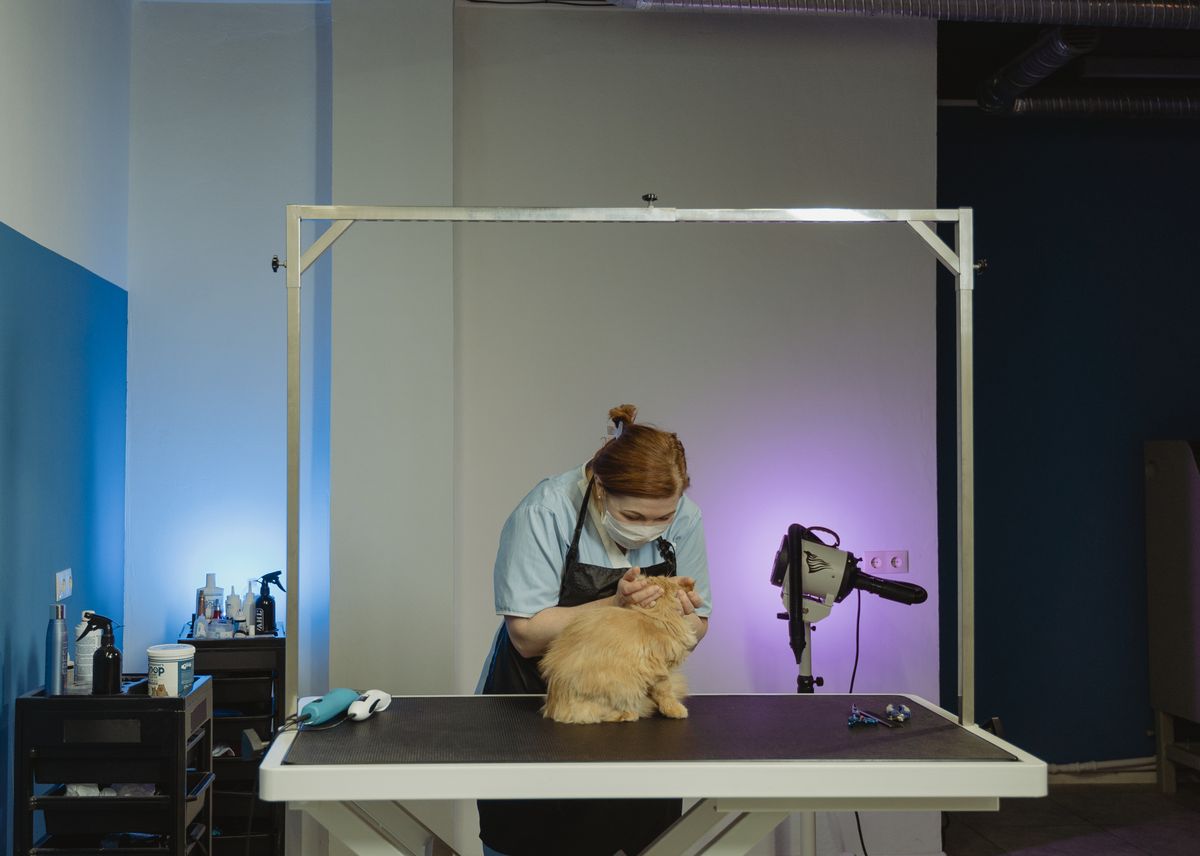
A short coat does not mean every cat enjoys being brushed. Start with a gentle suitable tool, brief voluntary contact, and a chance to stop. The aim is comfortable coat care, not removing the most hair in one sitting. A brush that works for another pet may feel unpleasant to yours.
Choose the tool around the coat
Check the brush instructions for short-haired cats and avoid sharp or forceful tools. Your veterinarian or a qualified groomer can help if the coat or skin is unusual. Do not use a dog tool simply because it is already in the cupboard.
Inspect the brush for bent teeth, rough edges, or residue before use. Gentle pressure matters even with a suitable design. A product label cannot compensate for pressing hard on delicate skin.
Introduce the brush without immediately brushing
Place the tool nearby during a calm moment and allow your cat to investigate. Reward comfortable interest with something they enjoy, without holding the cat in place. Some cats need more than one quiet introduction.
Then offer a brief touch in an area the cat normally accepts. Stop before they become tense. Do not begin with the belly, paws, or a long full-body pass simply to complete a grooming checklist.
Follow the direction and check the response
Use light strokes in the coat’s direction and pause frequently. If the cat moves away, let them. Watch for skin twitching, head turns toward the tool, sharper tail movements, or other changes in comfort.
You can divide care into several brief sessions rather than one long event. Start with the easiest area and gradually build familiarity. A few calm strokes are a useful result for a cat learning the routine.
Do not turn mats or skin changes into a DIY test
Tangled fur close to the skin, painful areas, sores, or sudden excessive shedding deserve advice. Do not cut a mat with household scissors or pull repeatedly because the coat is short.
A change in grooming can reflect difficulty reaching parts of the body or discomfort. Note where the coat looks different and whether mobility or appetite changed. A brush alone cannot resolve a medical cause.
Make the routine easy to repeat
Keep the tool clean and the location quiet. Use a stable surface that does not require restraining the cat. Record which contact was accepted so the next session begins at a comfortable level.
Avoid interpreting leaving as bad behavior. Finishing while the cat still feels safe makes future sessions easier to approach. If you regularly need force to continue, stop and ask for tailored handling advice.
Frequently asked questions
Do short-haired cats need daily long brushing?
Needs vary with coat and health. Follow suitable guidance and your cat’s comfort rather than insisting on a long daily session.
Should I hold my cat tightly to finish?
Avoid forced grooming. Seek professional advice if essential care cannot be done comfortably.
Related Petzora guides
Sources and further reading
Written by Emon Ahmed for general education, not veterinary diagnosis or treatment.