Why Does My Dog Lick Me So Much? 10 Common Reasons
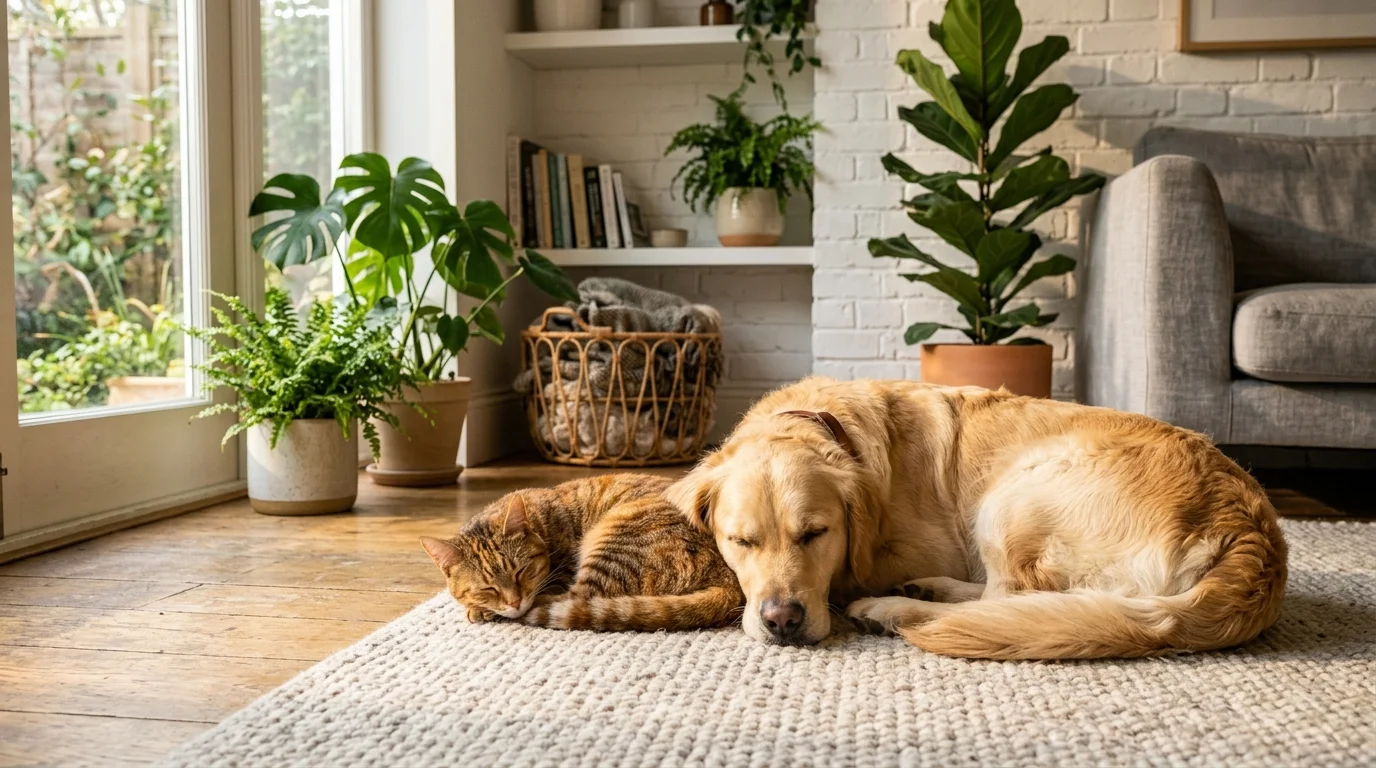
Dogs lick people for many reasons, from affection and attention-seeking to taste, stress relief, and learned habits. Here is how to read the context and know when licking may signal a problem.
Dog licking is one of those behaviors that can feel sweet, funny, annoying, or confusing depending on when it happens. A dog may lick your hand after you come home, lick your face while cuddling, or repeatedly lick your skin when you are trying to relax. In most cases, licking is a normal part of canine communication, but the meaning changes with context.
1. Affection and social bonding
Many dogs use licking as a social gesture. Puppies lick their mothers and littermates, and adult dogs may carry that behavior into relationships with people. If your dog has loose body language, soft eyes, a relaxed tail, and chooses to stay close, licking is often part of friendly bonding.
2. Your skin tastes interesting
Human skin can taste salty after exercise or warm weather. Lotions, food residue, and natural skin oils can also attract a curious dog. This is especially likely when licking happens after meals, workouts, or cooking.
3. Attention-seeking
Dogs quickly learn which behaviors get a reaction. If licking makes you talk, laugh, pet them, or push them away, the behavior may be reinforced because any attention can be rewarding. Consistent responses help prevent an occasional lick from turning into a persistent habit.
4. Excitement when you return
Some dogs lick during greetings because their arousal level is high. The behavior may come with jumping, wiggling, whining, or circling. Calm greetings and rewarding four paws on the floor can help reduce overexcited licking.
5. Stress or self-soothing
Licking can help some dogs settle when they feel uncertain. Look for other signals such as yawning, lip licking, pacing, tucked posture, panting when it is not hot, or avoiding eye contact. If licking increases during visitors, storms, travel, or separation, stress may be part of the picture.
6. Boredom
A dog that lacks enough exercise, sniffing, play, or problem-solving may invent repetitive behaviors. Daily walks, food puzzles, training games, and scent activities can reduce boredom-driven licking.
7. Learned routine
Dogs are strong pattern learners. If you allow licking every evening on the couch, your dog may come to expect it as part of the routine. You can change the pattern by offering an alternative behavior such as settling on a mat or chewing an appropriate toy.
8. Appeasement
Some dogs lick in situations where they want to reduce tension. This may occur after being scolded, during close face-to-face contact, or around unfamiliar people. Avoid punishing the dog for trying to communicate. Give space and reward calm behavior instead.
9. Possible nausea or discomfort
Frequent licking of lips, floors, furniture, or people can sometimes occur with nausea or digestive discomfort. If licking suddenly increases and is accompanied by vomiting, drooling, poor appetite, restlessness, or diarrhea, contact a veterinarian.
10. Compulsive or medically driven behavior
When licking is intense, difficult to interrupt, or causes skin injury, it deserves closer attention. Pain, allergies, anxiety, neurologic conditions, and compulsive behavior can all contribute. A veterinarian can help rule out medical causes before a behavior plan is started.
How to reduce unwanted licking
Do not punish or scare your dog. Instead, calmly remove attention when licking starts, then reward an alternative such as sitting, lying down, touching a target, or resting on a mat. Everyone in the household should respond consistently. Give the dog enough physical activity, enrichment, and rest.
When to call a veterinarian
Seek veterinary advice if licking starts suddenly, becomes obsessive, is paired with vomiting or appetite changes, targets one body area repeatedly, causes sores, or seems connected with pain or distress.
Frequently asked questions
Why does my dog lick my face?
It can be social, attention-seeking, or simply because your face smells interesting. Consider the whole body language and situation.
Should I let my dog lick me?
That is a personal choice, but avoid licking around open wounds and practice good hygiene. Redirect the behavior if you do not enjoy it.
Why does my dog lick me before sleeping?
For some dogs it is part of a familiar bonding or settling routine.
Bottom line: Most licking is normal communication, but sudden, excessive, or compulsive licking can indicate stress or a health issue. Context matters more than the behavior alone.