Why Is My Cat Drinking More Water Than Usual? Causes, Warning Signs & What to Do
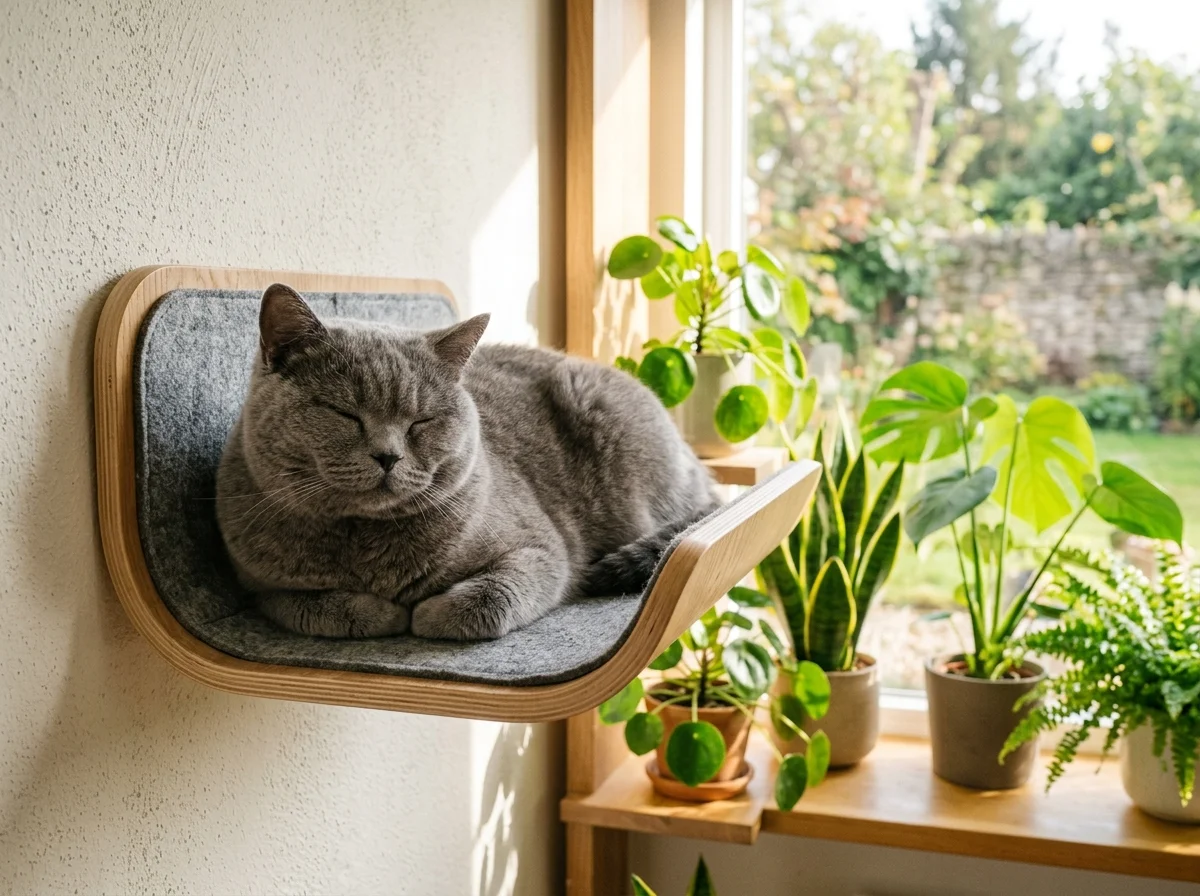
A practical guide to understanding increased thirst in cats, from harmless changes in diet and weather to kidney disease, diabetes, hyperthyroidism, and signs that need veterinary attention.
By Petzora Health Desk ·
Seeing your cat at the water bowl more often can be easy to dismiss, especially if they seem otherwise normal. Sometimes the explanation is simple: hotter weather, a switch from wet food to dry food, increased activity, or a new fountain that makes drinking more appealing. But a persistent increase in thirst can also be one of the earliest signs of a medical problem.
Veterinarians use the terms polydipsia for excessive drinking and polyuria for producing unusually large amounts of urine. These often occur together. The important point for cat owners is not to diagnose the cause at home, but to notice the change early, track what is happening, and know when veterinary testing is appropriate.
How Much Water Should a Cat Drink?
There is no single perfect amount that every cat should drink from a bowl. A cat's total water intake includes both water they drink and water contained in food.
The Cornell Feline Health Center notes that cats generally need about 4 ounces of water per 5 pounds of lean body weight per day. That means a 10-pound cat may need roughly one cup of total water per day. However, a cat eating mostly wet food may drink very little from the bowl because canned diets can contain a large amount of moisture. A cat eating dry food usually needs to obtain more water by drinking.
This is why comparing your cat to a random number online can be misleading. The more useful question is:
“Is my cat drinking noticeably more than their own normal amount?”
A clear change from your cat's usual pattern matters more than a single estimate.
Signs Your Cat May Be Drinking More Than Normal
Most owners do not measure every ounce of water, so increased thirst is often first noticed through changes around the home. Watch for patterns such as:
- Visiting the water bowl or fountain more frequently
- Drinking for longer periods at a time
- Emptying the bowl faster than usual
- Seeking water from sinks, showers, toilets, cups, or dripping faucets
- Larger or more numerous urine clumps in the litter box
- Needing the litter box cleaned more often
- Accidents outside the litter box in a previously reliable cat
- Weight loss despite a normal or increased appetite
- Changes in energy, grooming, appetite, or behavior
In a multi-cat household, it can be difficult to know which cat is drinking or urinating more. If you notice a change but cannot identify the cat responsible, temporary separate feeding, separate water bowls, or individual litter-box monitoring can help provide useful information for your veterinarian.
Common Reasons a Cat May Drink More Water
Increased thirst is a symptom, not a disease by itself. The cause can range from normal environmental changes to conditions that require long-term treatment.
1. A Change From Wet Food to Dry Food
This is one of the simplest explanations. Wet food provides a significant amount of water as part of the meal. Dry food contains far less moisture, so a cat may compensate by drinking more.
If the increase in drinking began soon after a diet change and your cat is otherwise behaving normally, the food change may explain part of the difference. Even so, a dramatic or persistent increase should not automatically be blamed on diet.
2. Hot Weather, Warm Rooms, or Increased Activity
Cats may drink more during hot weather, after active play, or when indoor temperatures rise. Homes with heating systems running during colder months can also become dry and warm.
A modest increase during a heat wave may be normal. However, cats are generally efficient at conserving water, so a major increase in thirst still deserves attention, especially if it continues after temperatures return to normal.
3. A New Water Fountain or Fresher Water
Some cats simply prefer moving water. A new fountain, a cleaner bowl, a different bowl material, or more frequent water changes may encourage healthy drinking behavior.
This type of increase is usually not accompanied by excessive urination, weight loss, vomiting, appetite changes, or weakness.
4. Chronic Kidney Disease
Chronic kidney disease (CKD) is especially important in middle-aged and older cats. Healthy kidneys help concentrate urine and conserve water. As kidney function declines, the kidneys may become less effective at concentrating urine. The cat then produces more dilute urine and drinks more water to replace what is lost.
Cornell notes that early CKD may cause few obvious signs. Increased urination and thirst can appear as kidney function declines. Other possible signs include reduced appetite, weight loss, nausea, vomiting, poor coat quality, dehydration, or lethargy.
Because early kidney disease may be subtle, routine blood and urine testing becomes increasingly valuable as cats age.
5. Diabetes Mellitus
Diabetes mellitus can cause both increased urination and increased thirst. When blood glucose remains too high, glucose can spill into the urine. Water follows that glucose, increasing urine volume. The cat then drinks more to compensate.
Common signs of feline diabetes can include:
- Increased thirst
- Increased urination
- Weight loss
- A normal or increased appetite
- Reduced energy
- In some cats, weakness in the hind legs
Cornell notes that diagnosis generally relies on persistent blood and urine glucose abnormalities together with compatible clinical signs. Because stress can temporarily raise a cat's blood glucose at the veterinary clinic, additional tests such as fructosamine may sometimes be used.
6. Hyperthyroidism
Hyperthyroidism is most common in middle-aged and older cats. It occurs when the thyroid gland produces excessive thyroid hormone, increasing metabolism throughout the body.
According to Cornell, common signs may include:
- Weight loss
- Increased appetite
- Increased thirst and urination
- Vomiting or diarrhea
- Restlessness or hyperactivity
- An unkempt or greasy-looking coat
Because kidney disease and hyperthyroidism can occur in the same older cat, veterinarians often evaluate overall kidney function as part of the workup.
7. Medications
Some medications can increase thirst or urine production. VCA Animal Hospitals notes that drugs such as corticosteroids, diuretics, and some anti-seizure medications can be associated with increased drinking and urination.
Never stop a prescribed medication without veterinary guidance. Instead, tell your veterinarian exactly what your cat receives, including prescription drugs, supplements, topical products, and recent injections.
8. Less Common Medical Causes
Other disorders can also affect thirst and urine production. Depending on the cat and their history, a veterinarian may consider liver disease, electrolyte abnormalities, high blood calcium, urinary infection, uncommon hormone disorders, or rare conditions such as diabetes insipidus.
Behavioral excessive drinking can occur, but it is uncommon and should generally be considered only after medical causes have been investigated.
Why Increased Thirst Often Comes With More Urination
The kidneys regulate water balance. When the body cannot conserve water normally, urine becomes more dilute and urine volume increases. The cat then drinks more to replace the lost fluid.
In other situations, a cat may drink more first and then naturally urinate more. Either way, the combination of increased drinking and increased urination is useful information for a veterinarian.
That is why litter-box changes matter. Larger clumps are not just a housekeeping detail. They can be an early clue that water balance has changed.
How to Measure Your Cat's Water Intake at Home
If your veterinarian asks how much your cat is drinking, a simple 24-hour measurement can be useful.
- Choose a day when your cat will be indoors and their routine is normal.
- Measure the exact amount of water placed in the bowl or fountain reservoir.
- Avoid letting the cat drink from sinks, toilets, glasses, or outdoor sources during the measurement period.
- After 24 hours, measure the water remaining.
- Subtract the remaining amount from the starting amount.
Remember that fountains lose some water through evaporation, and multi-cat homes make individual measurement difficult. Wet food also contributes to total water intake, so bowl measurements alone do not represent the cat's complete daily water intake.
Do not restrict access to water in an attempt to “test” whether your cat is truly thirsty. A cat that is losing excess water through urine may become dehydrated if water is withheld.
What Else Should You Track?
A short written log can make a veterinary visit much more productive. Record:
- When you first noticed the increased drinking
- Whether the change was sudden or gradual
- Approximate daily water intake if measurable
- Number and size of urine clumps
- Any vomiting or diarrhea
- Appetite changes
- Current body weight and any recent weight loss
- Activity and behavior changes
- Current medications and supplements
- Recent diet changes
If possible, weigh your cat weekly using the same scale. Weight loss can be easy to miss in long-haired cats or when it happens gradually.
When Should You Call a Veterinarian?
Make a veterinary appointment when increased thirst is persistent, clearly different from normal, or accompanied by increased urination. This is especially important for senior cats because kidney disease, diabetes, and hyperthyroidism become more common with age.
Arrange care promptly if you also notice:
- Unexplained weight loss
- Loss of appetite
- Vomiting or diarrhea
- Marked lethargy
- Weakness or difficulty walking
- Very large volumes of urine
- Poor coat condition
- Sudden behavior changes
- Signs of dehydration
Seek urgent care for emergency signs
Contact an emergency veterinary service if your cat is collapsed, severely weak, repeatedly vomiting, having trouble breathing, unable to keep water down, showing severe disorientation, or appears critically ill.
A cat repeatedly entering the litter box but producing little or no urine may have a urinary obstruction. This is particularly dangerous in male cats and requires emergency veterinary attention. Straining without producing urine is not the same problem as excessive urination, but owners can sometimes confuse the two.
What Tests Might a Veterinarian Recommend?
The exact workup depends on your cat's age, history, physical exam, and other symptoms. Initial testing commonly includes a combination of:
- Physical examination: body weight, hydration, heart rate, thyroid region, abdominal organs, and overall condition
- Blood chemistry: kidney values, glucose, liver-related markers, electrolytes, and other metabolic information
- Complete blood count: evaluates red and white blood cells and platelets
- Urinalysis: checks urine concentration, glucose, protein, blood, sediment, and other clues
- Thyroid testing: commonly considered in older cats
- Blood pressure: often valuable in senior cats and cats with kidney or thyroid disease
Additional tests may be recommended depending on the results. These can include urine culture, fructosamine, imaging, repeat thyroid testing, or other targeted diagnostics.
The reason testing matters is that increased thirst looks similar at home across many different conditions. Blood and urine results help separate those possibilities.
Should You Encourage a Cat to Drink More?
For many healthy cats, improving hydration is reasonable, especially when the cat eats mostly dry food. But increased voluntary drinking caused by disease is different from intentionally encouraging hydration.
Ways to make water more appealing include:
- Provide multiple water stations in quiet locations
- Use wide bowls that do not press against the whiskers
- Clean bowls daily
- Try glass, ceramic, or stainless-steel bowls
- Offer a pet water fountain if your cat enjoys moving water
- Keep water away from dirty litter boxes
- Discuss wet food or adding moisture to meals with your veterinarian
Some cats prefer water placed away from their food bowl. Offering several choices can help you learn your cat's preference.
Can You Tell Kidney Disease From Diabetes at Home?
No. Both can cause increased drinking and urination, and both may be accompanied by weight loss. Hyperthyroidism can look similar too.
Patterns can provide clues, but they are not reliable enough for diagnosis. For example, a cat with diabetes may lose weight despite eating well, while a cat with kidney disease may eventually lose appetite. A hyperthyroid cat may be unusually hungry and active. But real cats do not always follow textbook patterns.
Blood tests and urinalysis are the safer way to distinguish the cause.
What If My Cat Is Drinking More but Seems Completely Fine?
Early disease often causes subtle changes before a cat looks obviously sick. Cats are also good at hiding illness. If the increase is mild and there is an obvious explanation, such as a recent switch to dry food, you can track the pattern carefully. If it persists, increases, or is unexplained, schedule a veterinary check.
For older cats, a new drinking habit deserves more attention even when energy and appetite seem normal.
What If My Cat Suddenly Drinks Less?
Drinking less is a different concern. It may occur if a cat starts eating wetter food, but it can also happen when a cat feels nauseated, painful, weak, or generally unwell.
Signs of dehydration can include lethargy, weakness, reduced appetite, and dry mouth tissues. Cornell also notes that more severe dehydration can cause sunken-looking eyes.
If your cat is not drinking, is not eating, or seems ill, contact a veterinarian rather than trying to force large amounts of water by mouth.
Frequently Asked Questions
Is it normal for cats to drink a lot of water?
Some cats naturally drink more than others, especially cats eating dry food. A noticeable increase from your cat's normal drinking pattern is more important than comparing them with another cat.
Why is my older cat suddenly drinking more water?
Older cats may drink more because of kidney disease, diabetes, hyperthyroidism, medications, or other medical problems. A persistent new change should be discussed with a veterinarian.
Can hot weather make my cat drink more?
Yes. Warm conditions and activity can increase water needs. The increase should still be monitored, especially if it is dramatic or continues when the weather cools.
Does dry food make cats drink more?
Usually. Dry food contains much less moisture than wet food, so cats eating a dry diet generally need to obtain more water from drinking.
Should I take away my cat's water if they are drinking too much?
No. Do not restrict water unless a veterinarian gives a specific medical instruction. Excessive thirst may be the body's attempt to replace water being lost through increased urination.
Can stress cause increased drinking in cats?
Behavioral excessive drinking is possible but uncommon. Medical causes should be considered first, particularly when the change is persistent.
The Bottom Line
A cat drinking more water is not automatically an emergency, but it is a change worth noticing. Diet, temperature, and access to fresh moving water can all influence drinking behavior. Persistent excessive thirst, however, may be associated with kidney disease, diabetes, hyperthyroidism, medications, or other health problems.
The best approach is simple: do not restrict water, track the change, watch the litter box, note appetite and weight, and arrange veterinary care when the increase is persistent or unexplained. Catching a subtle change early can give your veterinarian more options for identifying and managing the underlying cause.
Sources & Further Reading
- Cornell Feline Health Center: Hydration
- Cornell Feline Health Center: Chronic Kidney Disease
- Cornell Feline Health Center: Feline Diabetes
- Cornell Feline Health Center: Hyperthyroidism in Cats
- VCA Animal Hospitals: Testing for Increased Thirst and Urination
- Merck Veterinary Manual: Diabetes Mellitus in Dogs and Cats